
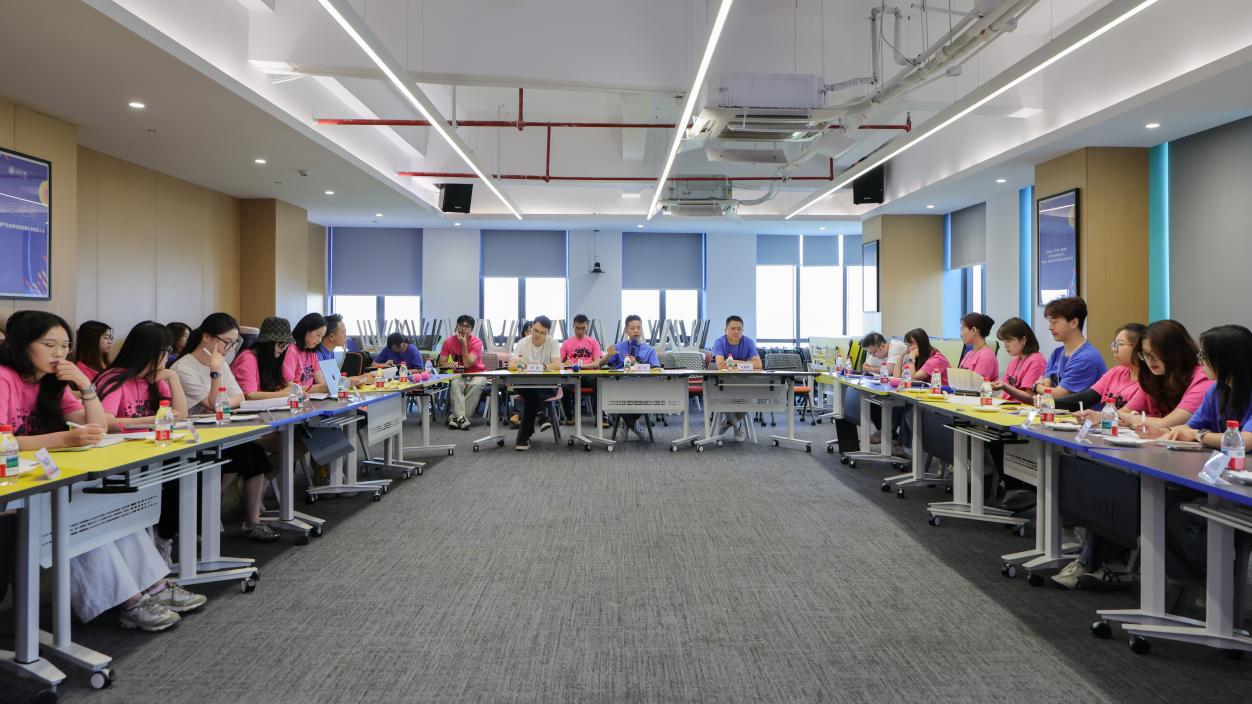
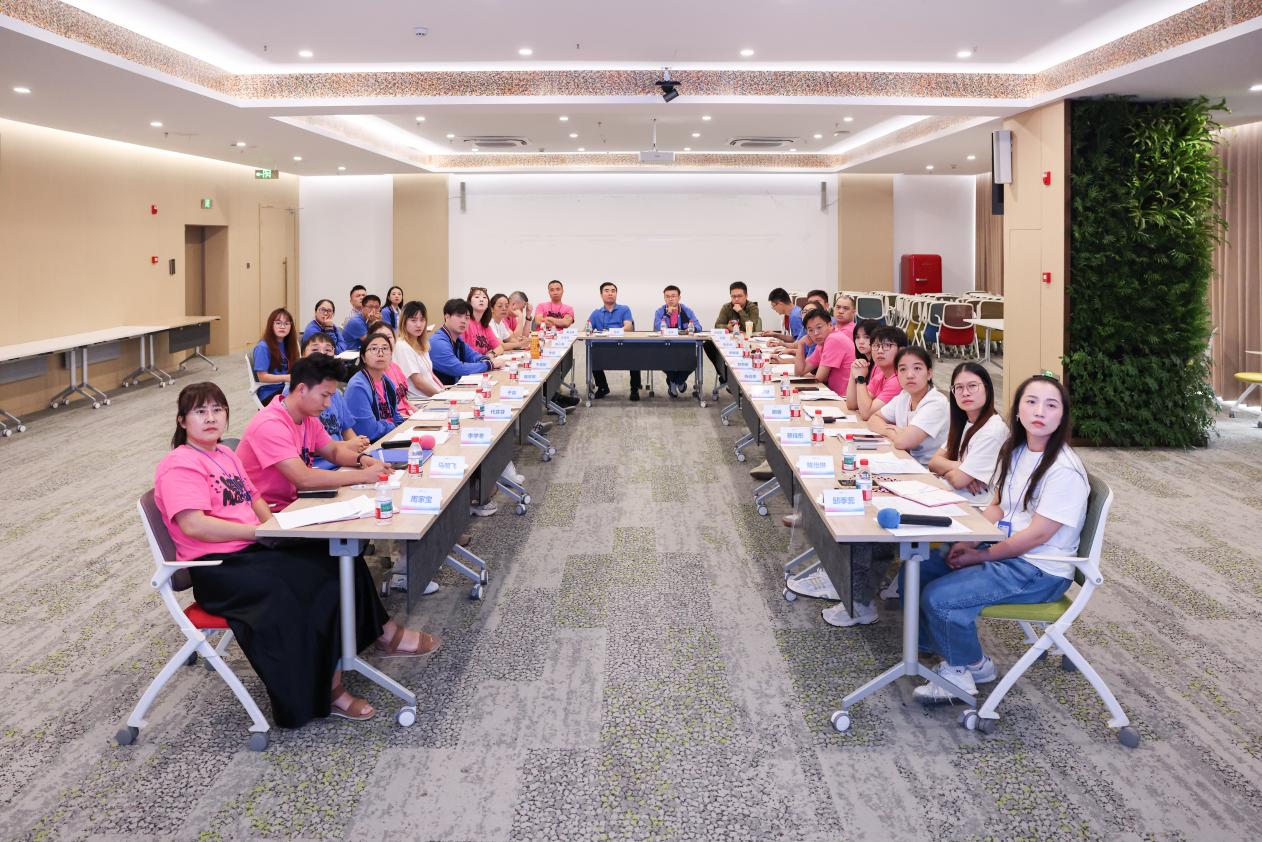
 On October 13, the Group held a social media discussion meeting via video link between Ningbo and Yiwu. Group President Tom Tang, Group Leaders Henry Xu, Eric Zhuang, William Wang, and Ken Huang, Group Senior Advisor and Chief of Staff Tang Hengsheng, colleagues with practical experience in social media operations, and relevant operations managers attended the meeting.
The meeting focused on account positioning, content creation, customer screening, lead follow-up, AI applications, and company-wide social media development.
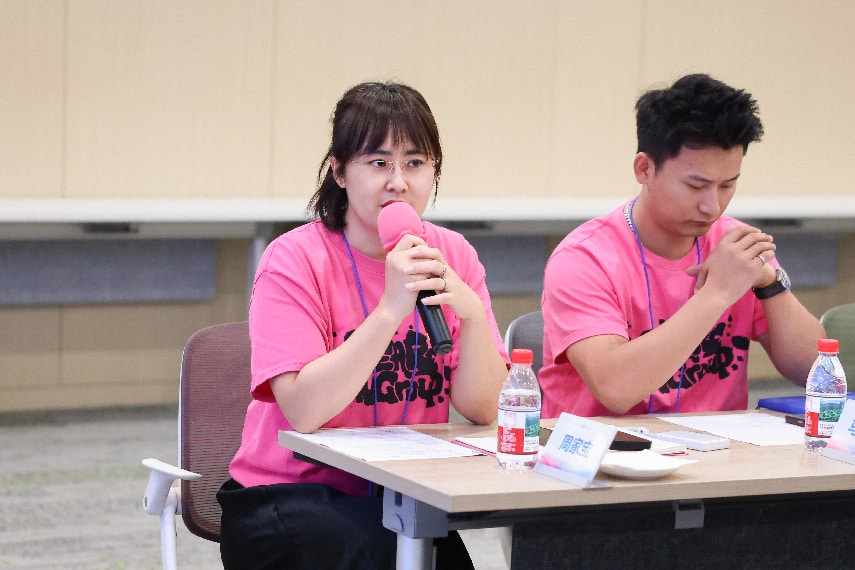
Rose Zhou, Senior Director of HOUSEWARE DIVISION OF LC, stated that social media is not only about finding customers and generating traffic. More importantly, it allows customers to understand the professional capabilities of a company and its employees through consistent content, thereby building trust. Teams should clearly define their target customers and focus on precise customer acquisition rather than simply pursuing follower numbers. Internally, employees should strengthen communication with suppliers and gain a deeper understanding of products, production, and procurement processes to improve their professional capabilities. Externally, content should demonstrate their expertise and service value. Domestic social media can focus on industry exchanges, resource connections, and professional image building, while overseas social media should center on products, new arrivals, pricing, and other information relevant to buyers.
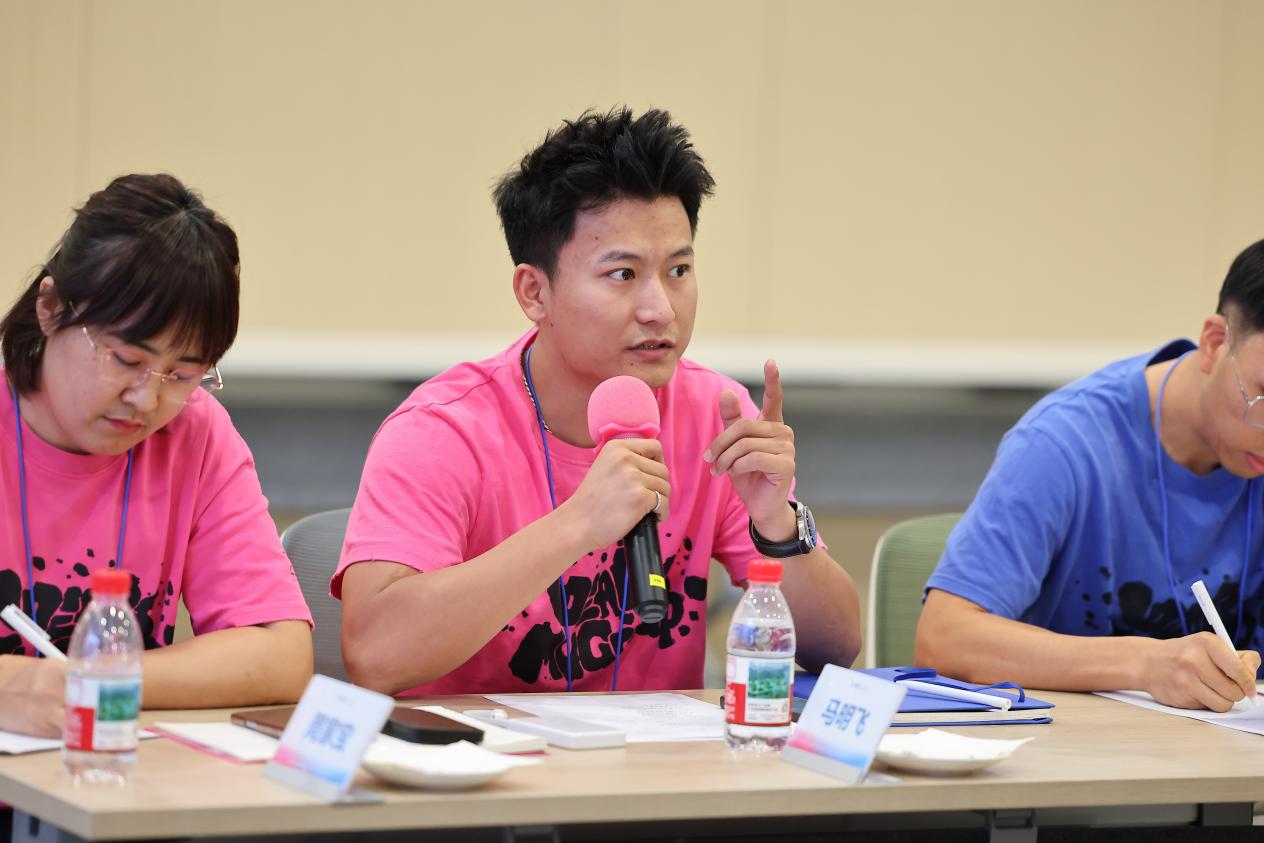
Noah Ma, Director Manager of MARKET UNION CO.,LTD. stated that the team has established connections with customers such as supermarket chains and advertising companies in Saudi Arabia and the United Arab Emirates by showcasing its showrooms, comprehensive supply chain, credit terms, and procurement team capabilities. Targeted content helps customers understand the company’s strengths in advance, shortening the initial communication and negotiation process. However, as social media generates more customer leads, greater attention should be paid to lead screening and continuous follow-up to avoid losing high-quality customers through an excessive focus on immediate conversion. To promote company-wide social media participation, employees should be able to see its practical business value, while colleagues interested in participating should receive support with topic selection, content creation, and filming.
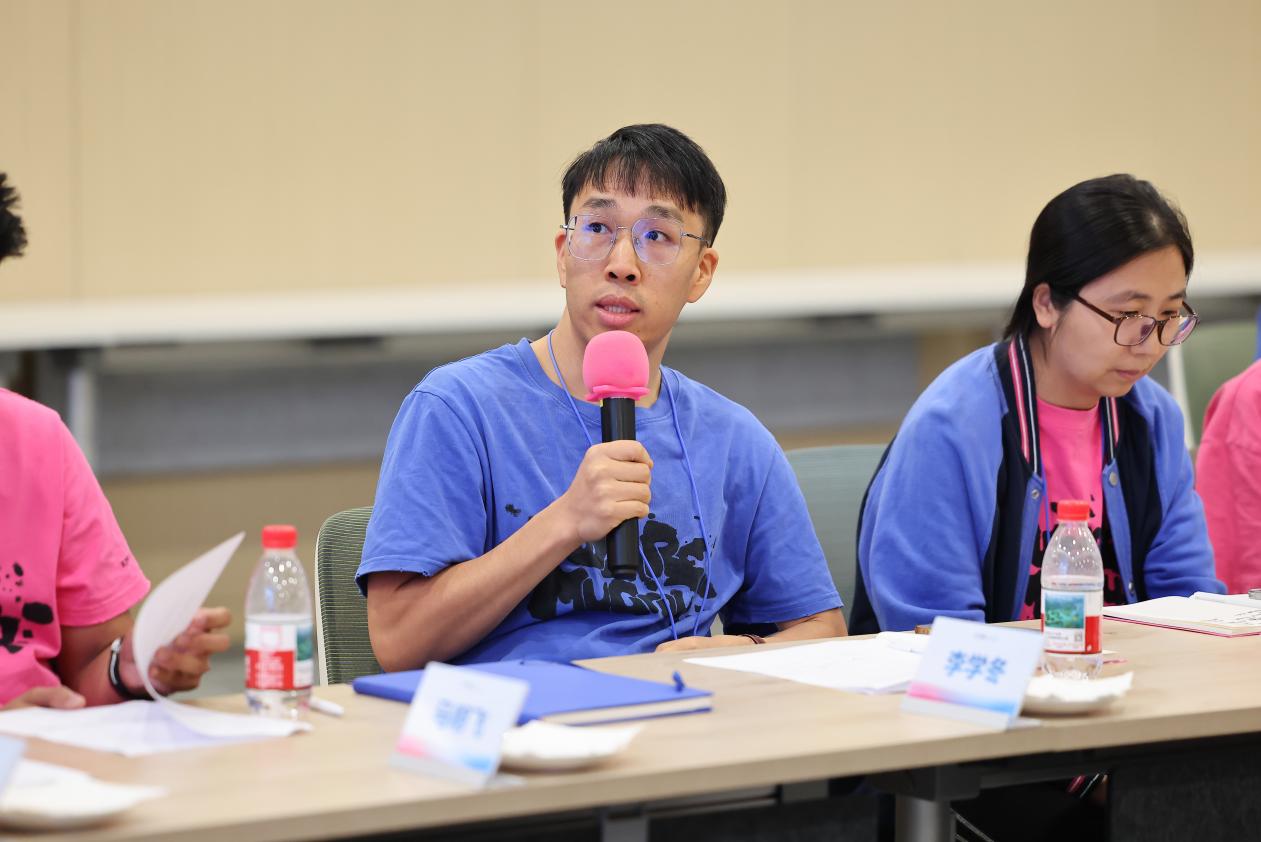
Gary Li,Director Manager of INNOVATION DIVISION OF TENSUN NETWORK CO.,LTD.stated that social media customer acquisition still has considerable room for growth. The key is to identify target customers and operating methods, and consistently produce content aligned with account positioning. Promoting company-wide social media participation should not mean requiring everyone to adopt the same approach. Instead, interested and capable employees should first test different methods and demonstrate results, using successful cases to encourage broader team participation. Business divisions should cultivate internal social media talent while also recruiting external professionals when necessary to gradually improve operational results.
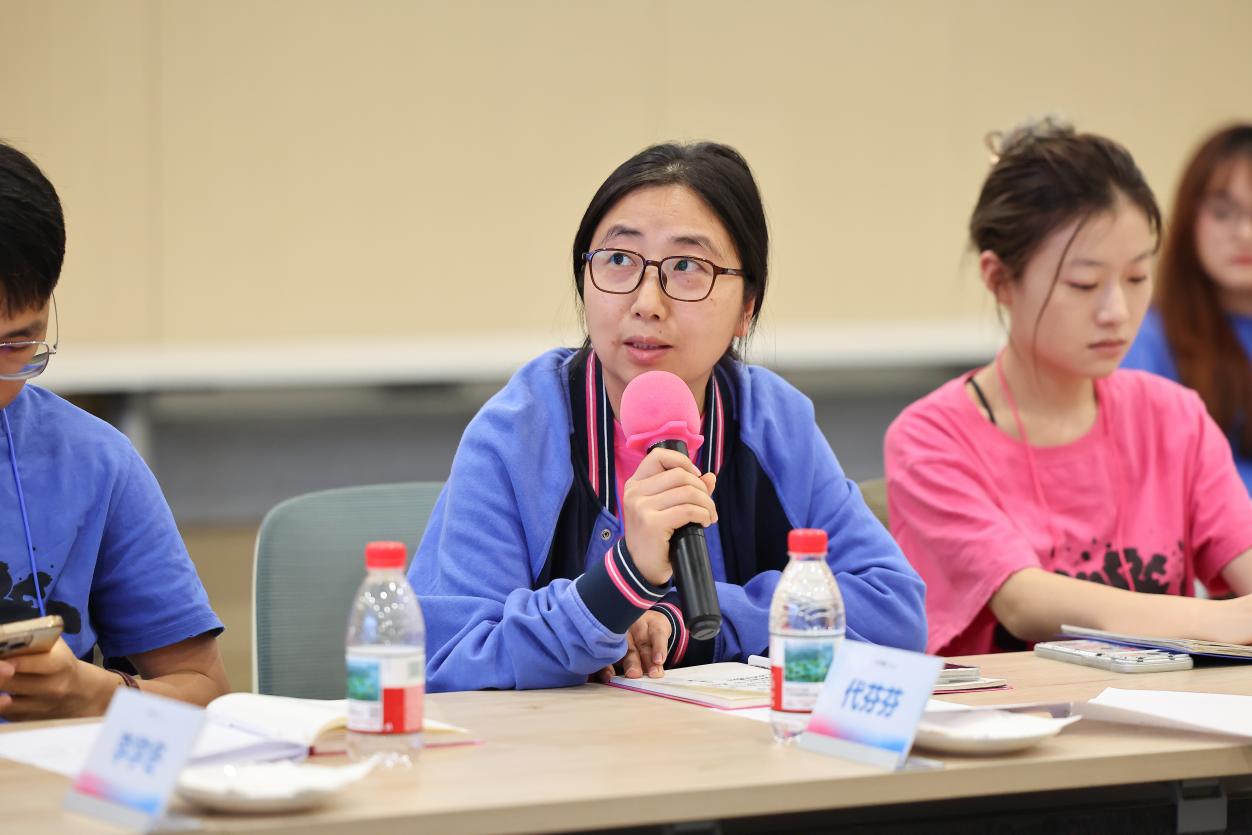
Linda Dai,Director Manager of NEW MARTERIAL DIVISION OF FREE MARKET CO.,LTD. stated that customer groups and operational results vary across platforms, making clear account positioning essential. Future content should focus on specific products and categories, such as ready-stock apparel including T-shirts and sweatshirts, rather than broadly promoting services. Consistent category-focused content can gradually improve its relevance to target customers.
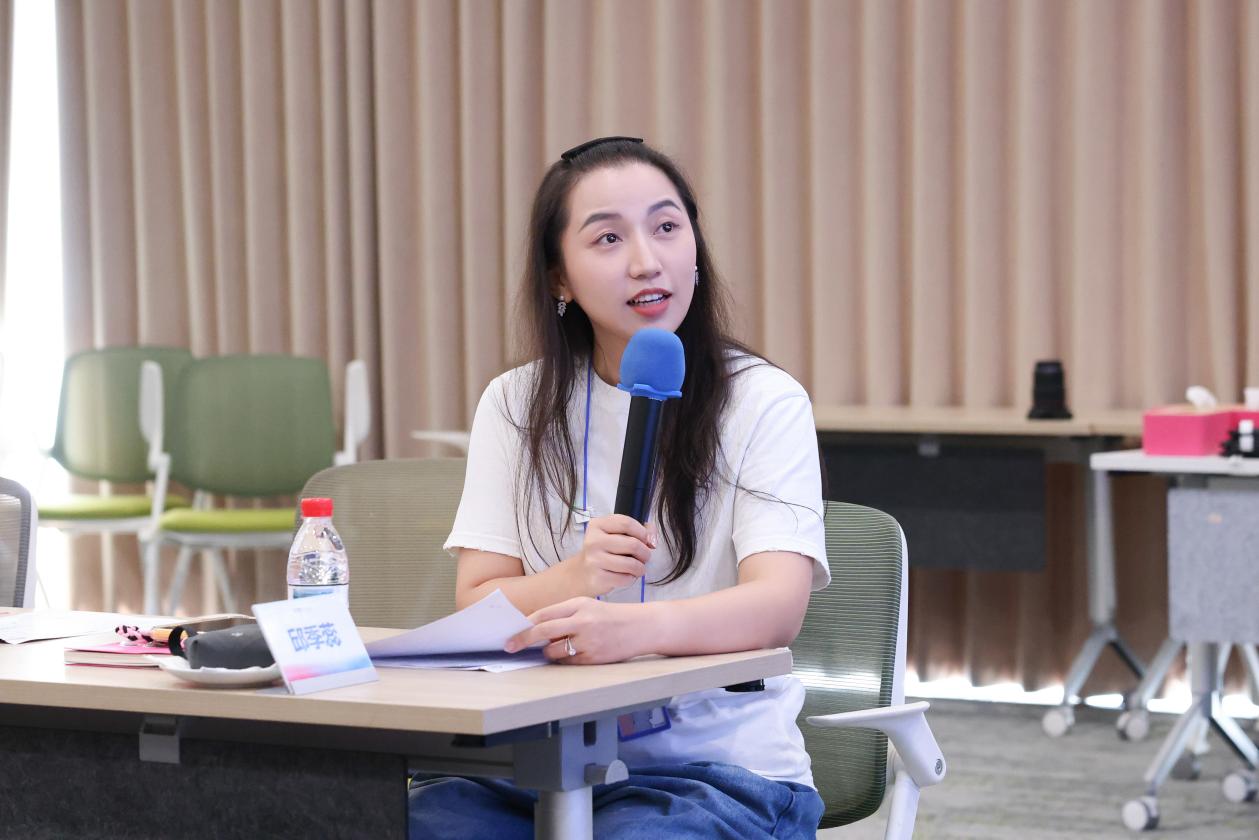
Puri Qiu, Director Manager of SPANISH DIVISION OF NINGBO TOPWIN CO.,LTD. stated that content should authentically present the daily work and business practices of international trade professionals, helping customers understand what services the team can provide and how it solves practical problems. Compared with general statements, details such as product inspections, comparisons of materials and workmanship, problem identification, and the process of resolving issues are more likely to resonate with customers. Social media operations should also include advance promotion and sustained follow-up content, continuously demonstrating service capabilities through real scenarios such as sample preparation, trade exhibitions, product selection, customer communication, quality inspections, and delivery coordination. Company-wide social media participation should make use of employees’ respective strengths, involving sales professionals who understand customer needs and procurement professionals who are familiar with products and markets in content creation.
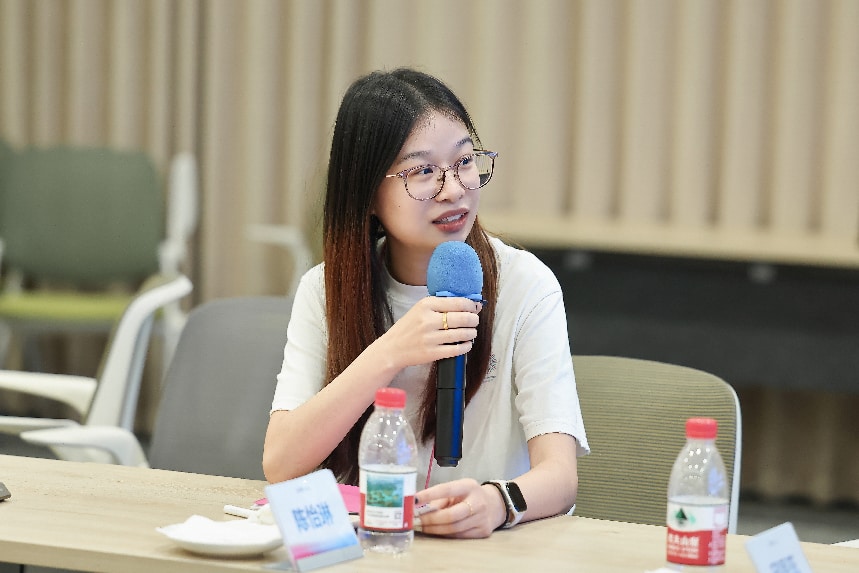
Yolanda Chen, Assistant Manager of President Office, stated that official social media accounts should use everyday business content to help customers clearly understand the services Tongtu can provide. The team should also explore collaborations with external personal brands and influencers to expand brand influence. At the same time, how to balance corporate brand positioning with individual characteristics on official accounts remains an area for further exploration. Continued experience and capability development are also needed in scriptwriting, video editing, and account management.
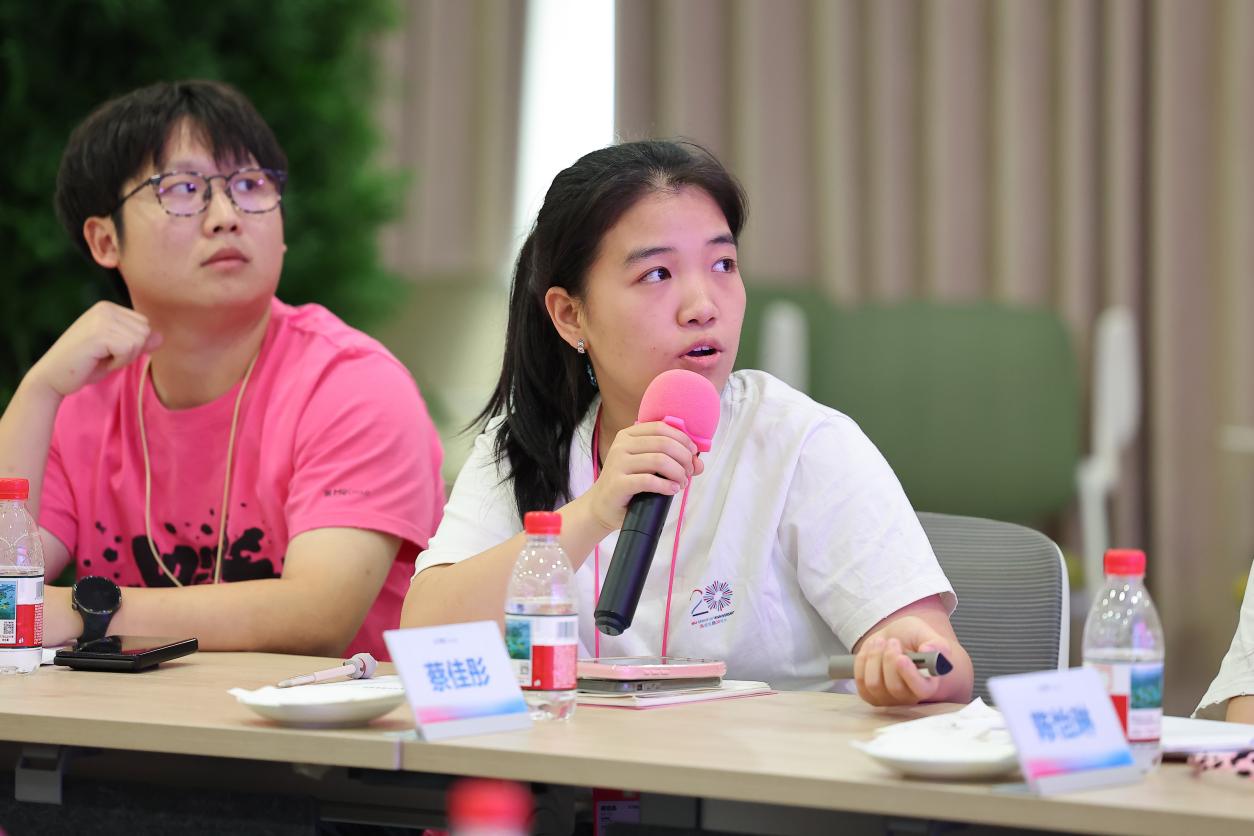
Ava Cai, Sales Assistant of SKYLARK NETWORK CO.,LTD.stated that AI should be used effectively to support customer background research and improve lead-screening efficiency. Social media operations should establish a complete process from content publishing to customer conversion. By recording customer information, responsible follow-up personnel, and progress updates, and regularly reviewing advertising data and business feedback, teams can continuously adjust their content, advertising strategies, and customer-screening methods. Exposure, trust, and business collaboration should work together to drive transactions.
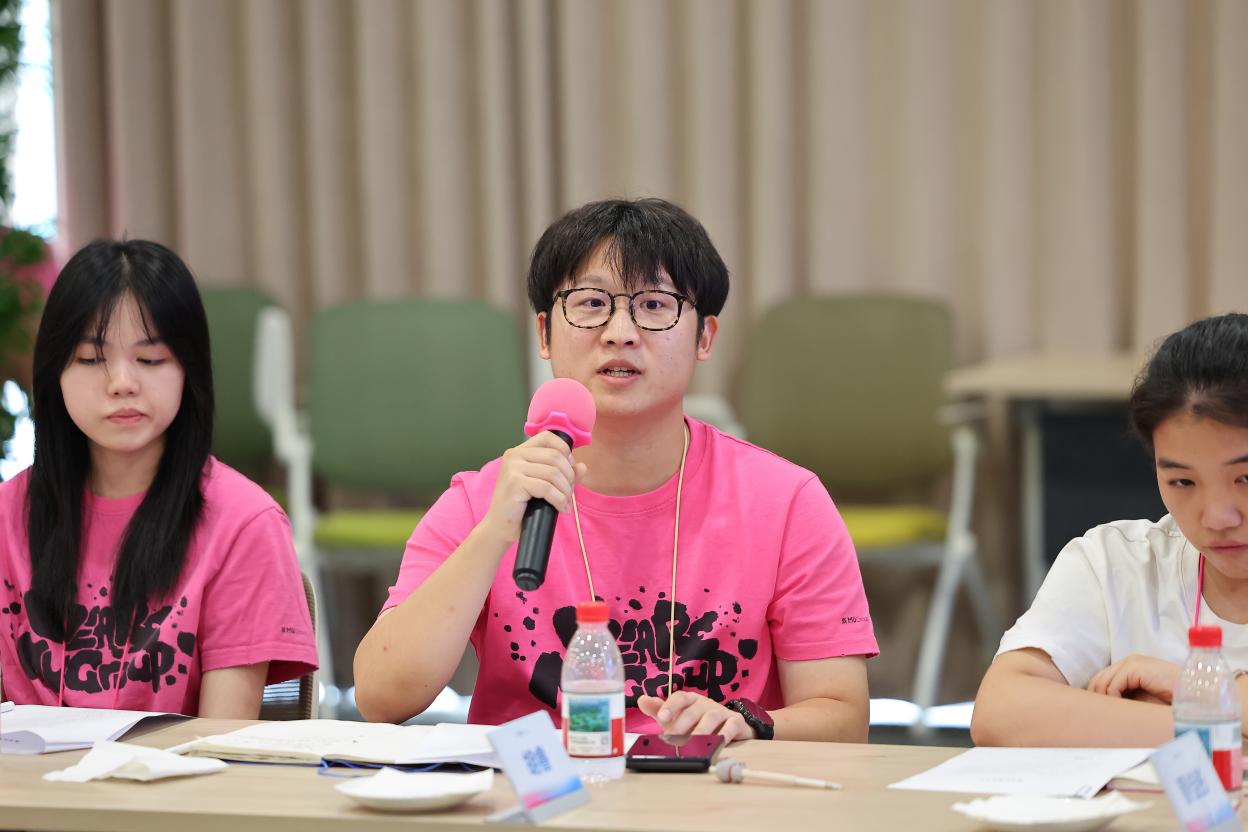
Julio Hu, Sales Assistant of INNOVATION DIVISION OF TENSUN NETWORK CO.,LTD.stated that published content can be divided into two categories: a “workflow” stream showcasing company services, quality inspections, and other business capabilities, and a “content” stream focusing on specific products, inspection processes, and product highlights. The team can first attract targeted customers through specialized content before introducing the company’s broader services. Social media can also serve as a channel for expanding supplier partnerships and securing better cooperation terms.
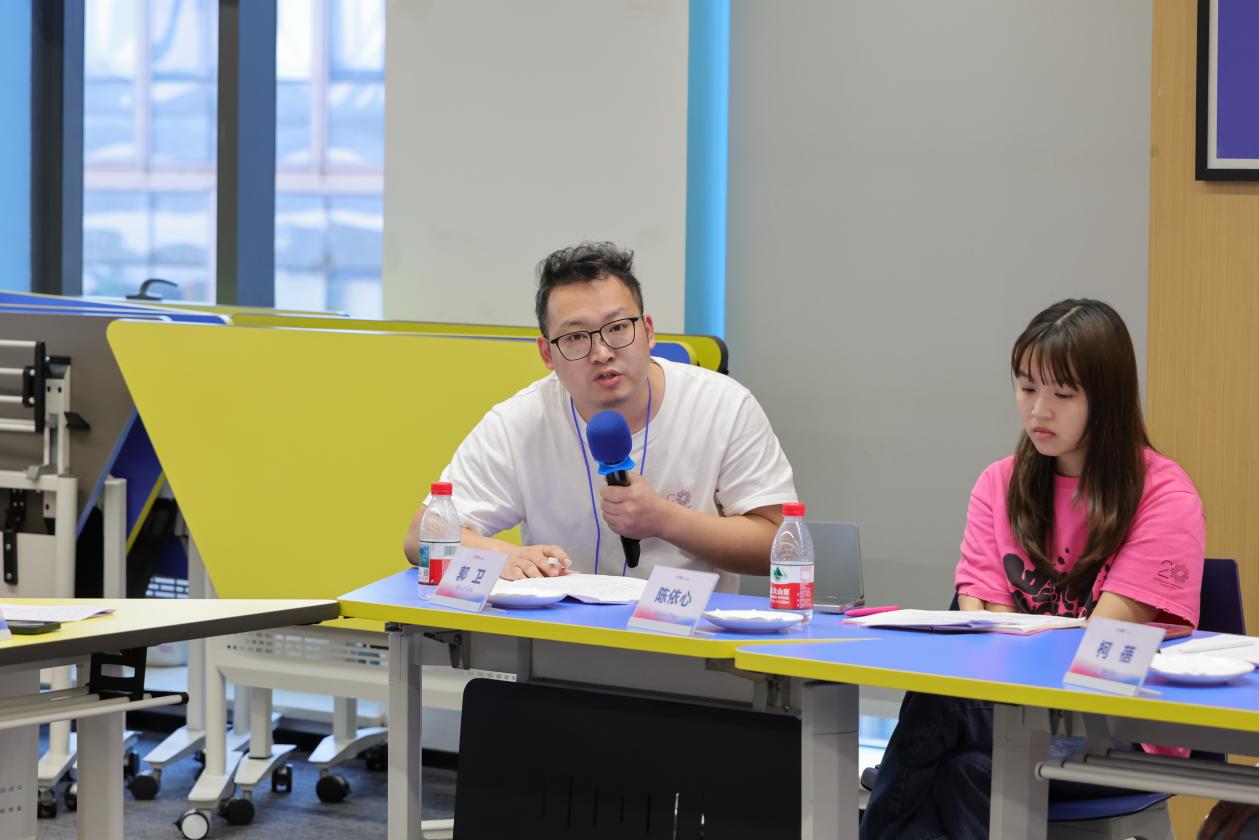
Bruce Guo, Director Manager of NINGBO GENERAL UNION CO.,LTD.stated that the team should continue focusing on leading supermarket chains and major importers in South America, Russia, Africa, and other markets. LinkedIn and related tools can be used to improve customer development efficiency, while AI can help identify key personnel at target companies. Short-form video content should place greater emphasis on engaging openings, using contrasts and specific scenarios to introduce products or business activities. The team also plans to explore AI-assisted responses and initial communication for inquiries received through WhatsApp, establishing handover points based on customer interest so that sales professionals can follow up with customers who have clear purchasing needs. In addition, the team aims to gradually strengthen its independent management capabilities for Meta advertising.
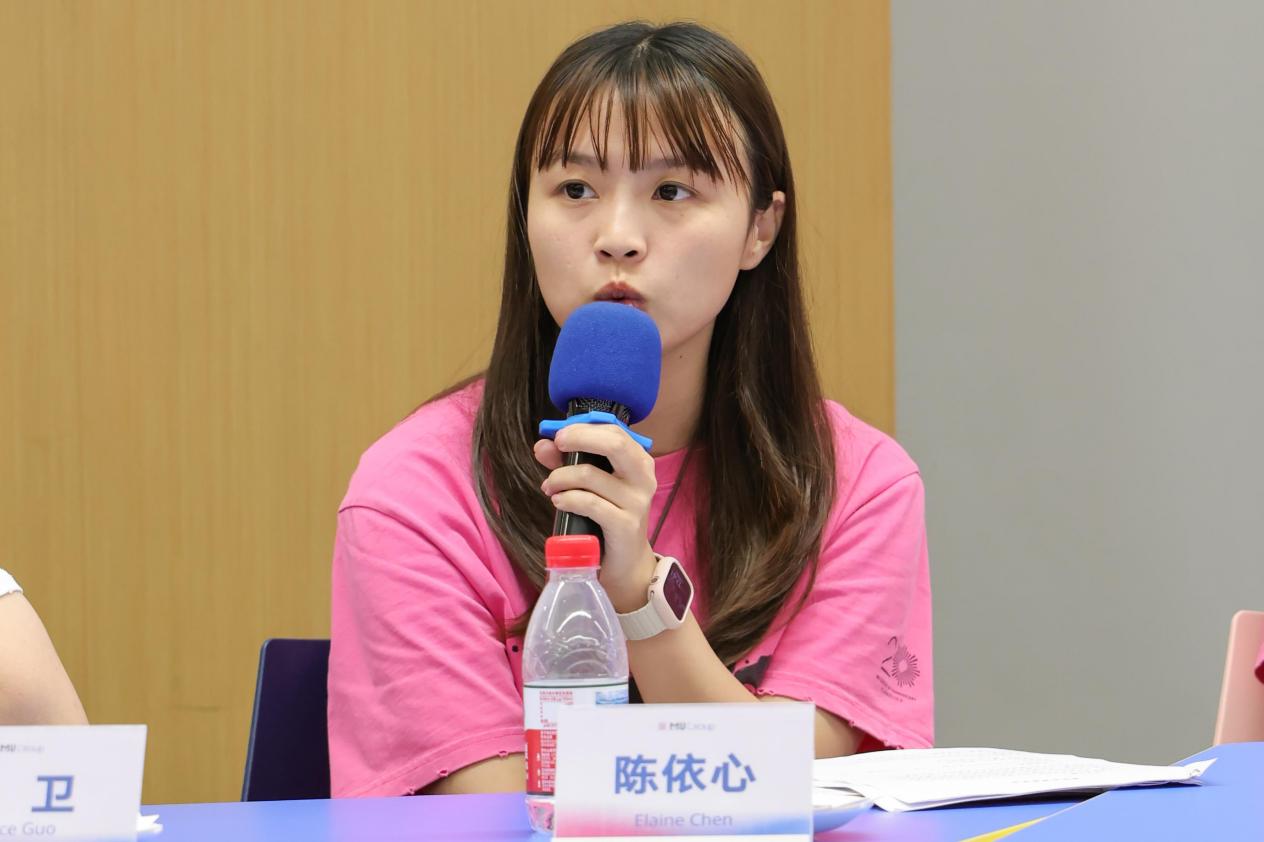
Elaine Chen, Dep. Manager of Digital Engineering Department, stated that the Digital Engineering Department will further improve the Group’s official website and social media pages, integrate the communication efforts of different business units, and expand the Group’s overall online influence. In the future, greater attention can be given to market opportunities in Portuguese-, Spanish-, and Russian-speaking regions. Subsidiaries and business divisions should be encouraged to establish their own online business profiles, while sales colleagues should actively participate in social media operations. Employees with an interest in social media and a strong understanding of online trends should be identified and supported in developing professional accounts. The industry experience and customer trust established by General Managers should also be leveraged to support account content development.
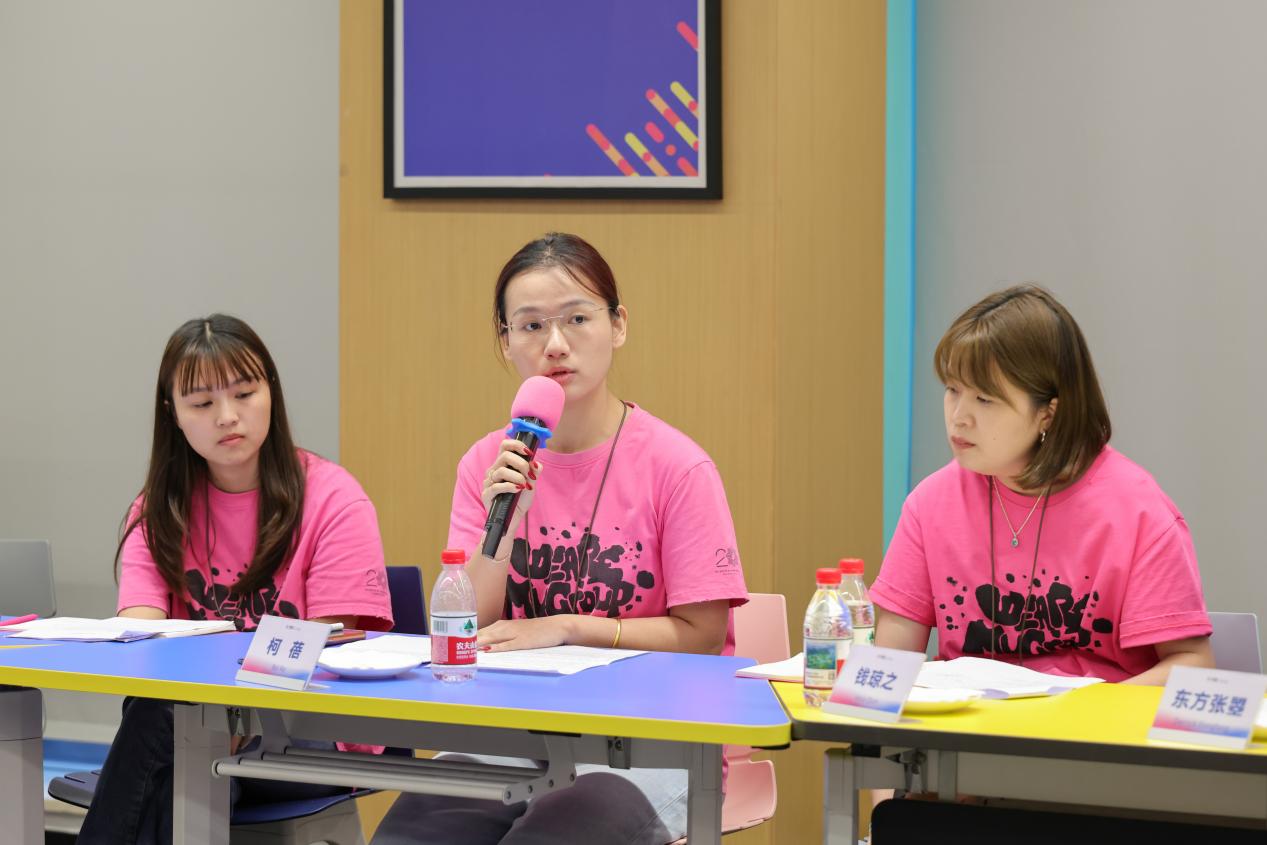
Bei Ke, Dep. Vice Manager of NINGBO BRIGHT MAX CO.,LTD stated that LinkedIn primarily targets professional customers such as European and American retailers, supermarket chains, and importers, while Facebook is more focused on markets in Asia, Africa, and Latin America. Content can be published collaboratively through company pages, General Managers’ accounts, and individual accounts to direct customers to the official website. The website should highlight products, trade exhibition information, overseas market regulations, and strengths in delivery schedules, quality control, and project design capabilities, helping customers better understand the company’s capabilities.
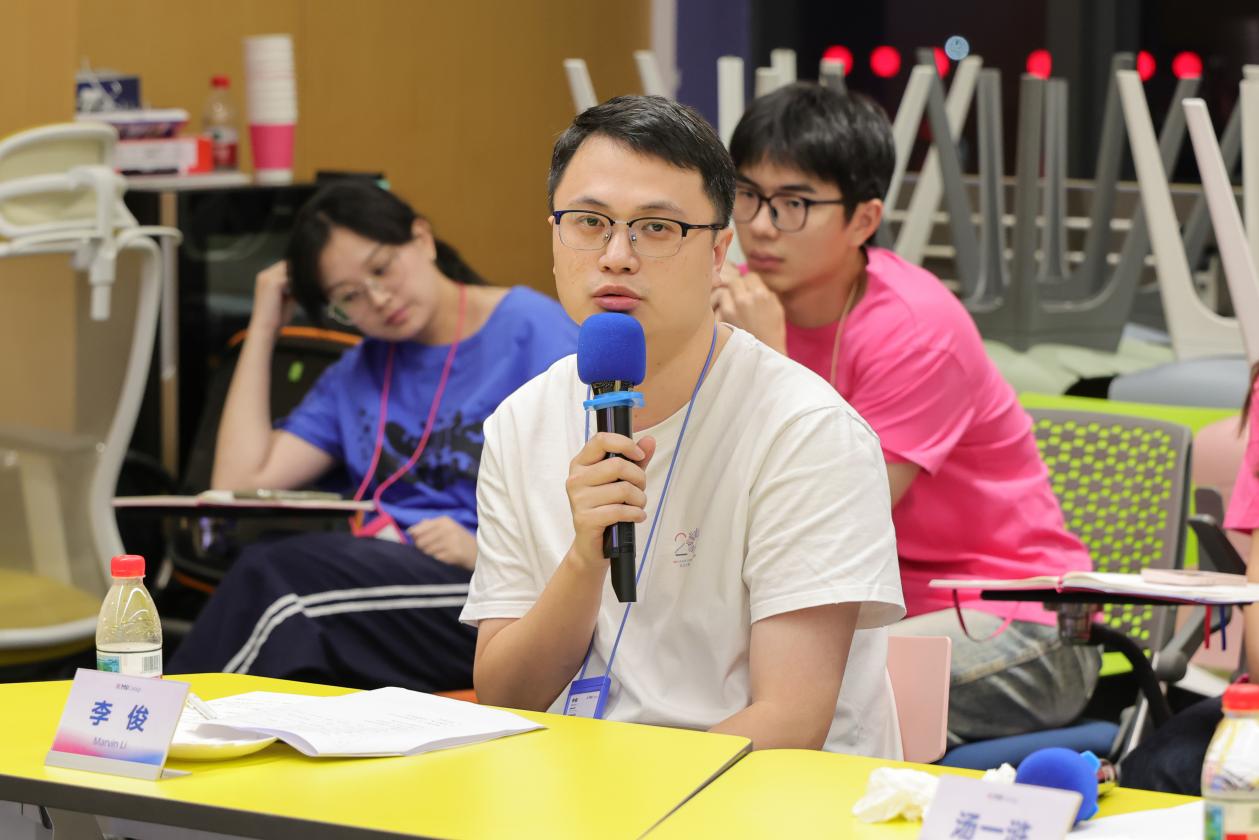
Marvin Li, General Manager of MARKET SELECT DIVISION OF MARKET UNION CO.,LTD.shared that his division had acquired a Polish e-commerce customer through the Group’s social media channels. Given the mixed customer leads and relatively high proportion of small orders generated by Facebook advertising targeting South America, the team plans to explore a business model serving end consumers based on its existing operations. It is also considering directing traffic from social media to e-commerce platforms to explore new business opportunities. He noted that B2B business places greater emphasis on service capabilities, while business targeting end consumers depends more heavily on the competitiveness of the products themselves.
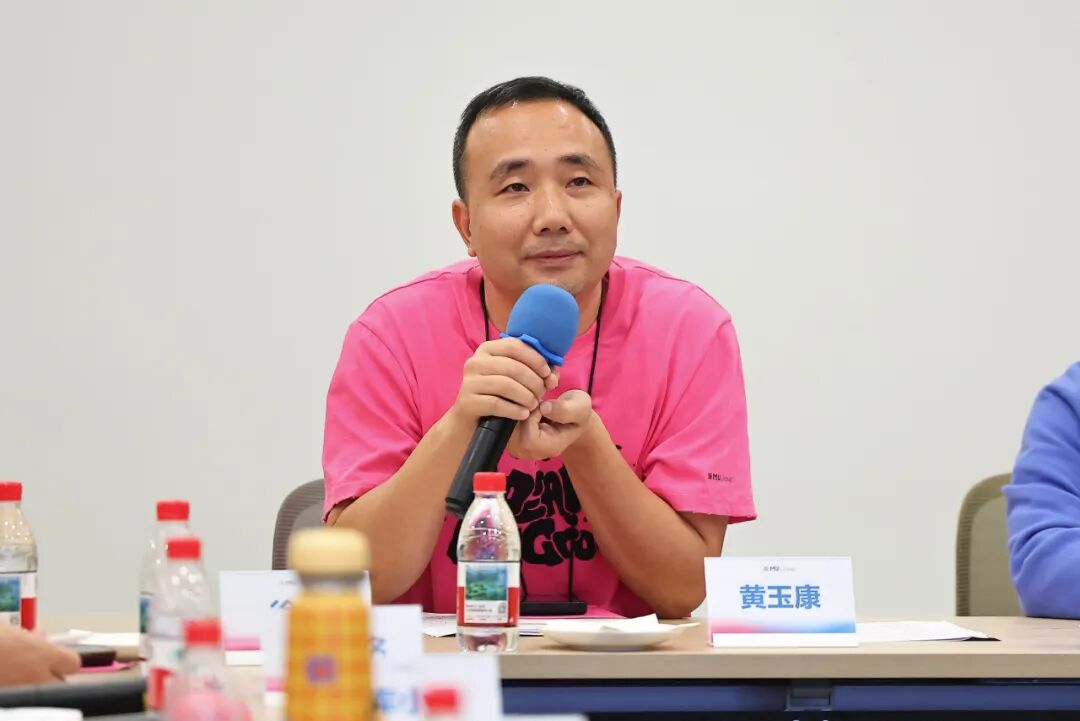
Ken Huang noted that although content homogenization is difficult to avoid in the international trade industry, there is still considerable market potential. The Group should minimize internal content duplication and highlight the distinct characteristics of different accounts to expand traffic coverage. Social media is not only a tool for direct customer acquisition but also helps reinforce customers’ impressions of the company’s name, logo, and products. It can also work in coordination with channels such as Alibaba.com and Made-in-China.com (MIC). Content creation does not always need to be complicated. Teams can start with well-selling products and publish simple image posts to lower the barrier to participation and continuously build online exposure.
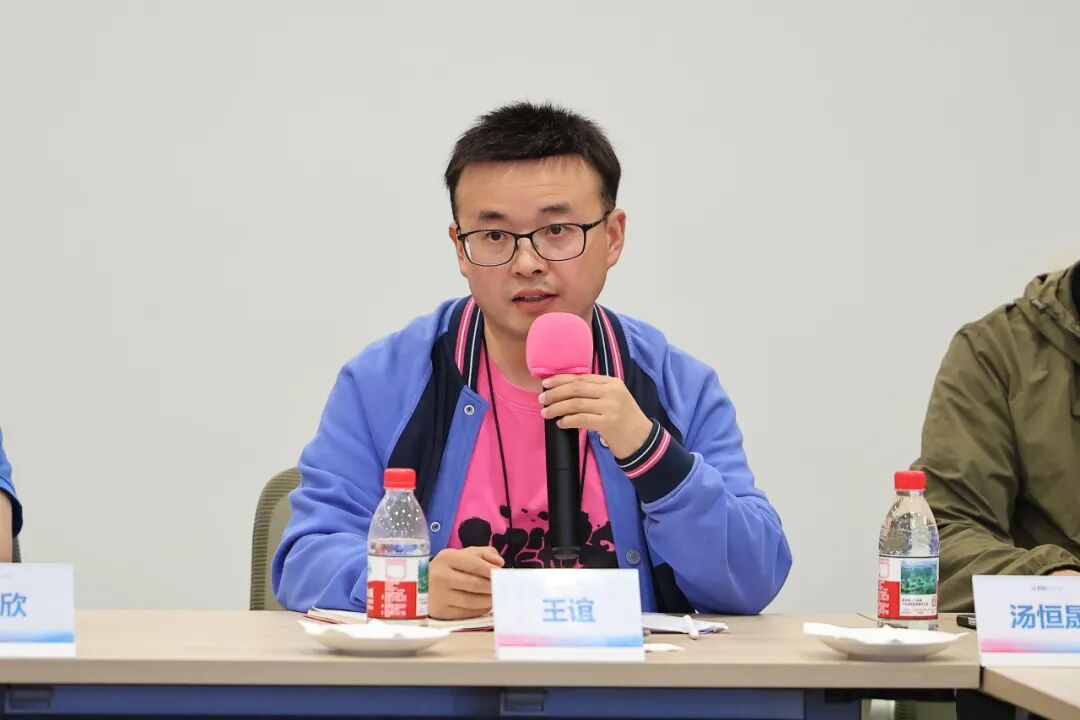
William Wang proposed establishing an incentive mechanism to encourage employees to participate in company-wide social media development. Colleagues with successful experience should also be encouraged to share complete cases covering content publishing, customer acquisition, and final transactions. This would help others understand the specific methods and actual results, using real examples to motivate more employees to participate.
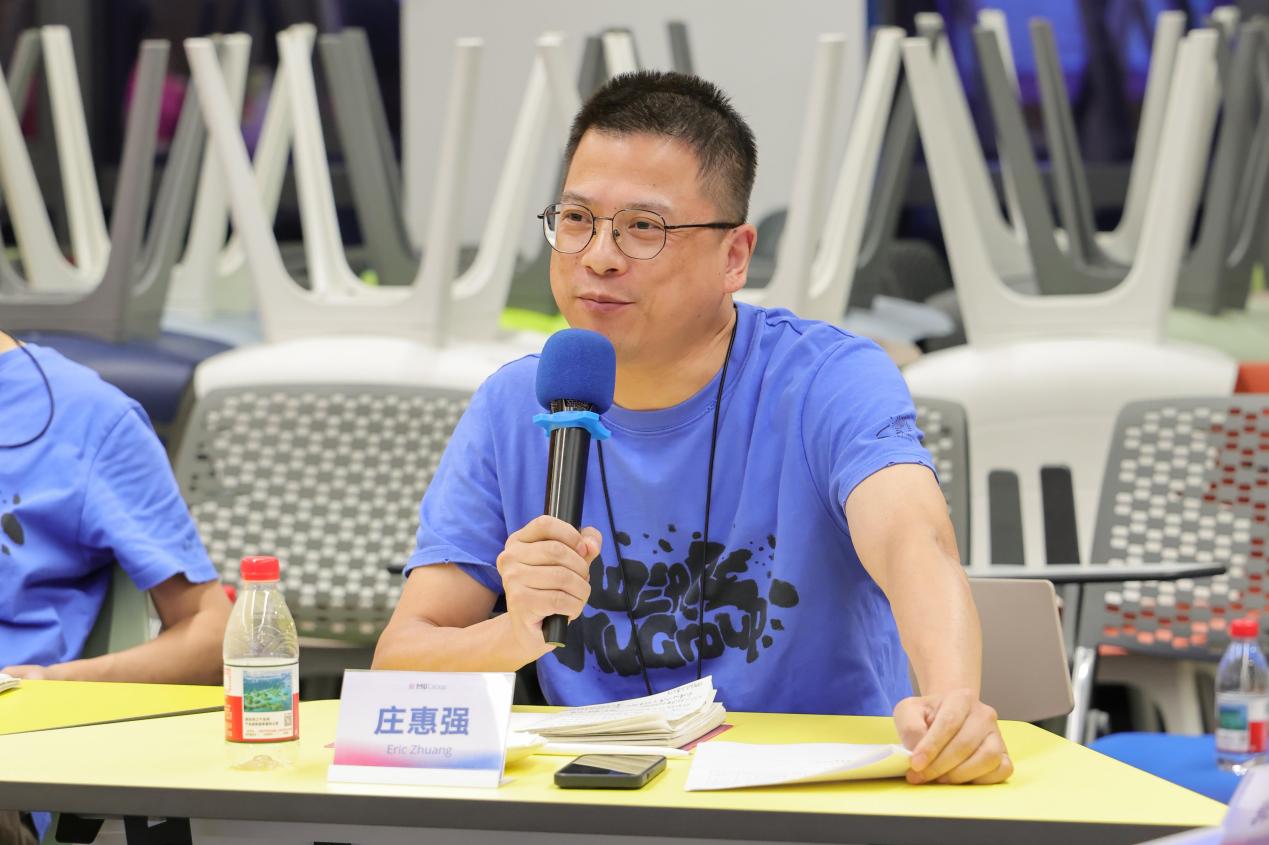
Eric Zhuang shared that the Group has already accumulated a certain level of social media traffic, and the next priority is how to manage and convert that traffic. Company-wide social media participation can begin with simple content, allowing employees to experiment before gradually identifying those who are comfortable appearing on camera and capable of managing social media accounts. In addition to personal brands, companies, business divisions, and departments should also develop team brands and account matrices, creating diverse content coverage for different business areas and customer groups.
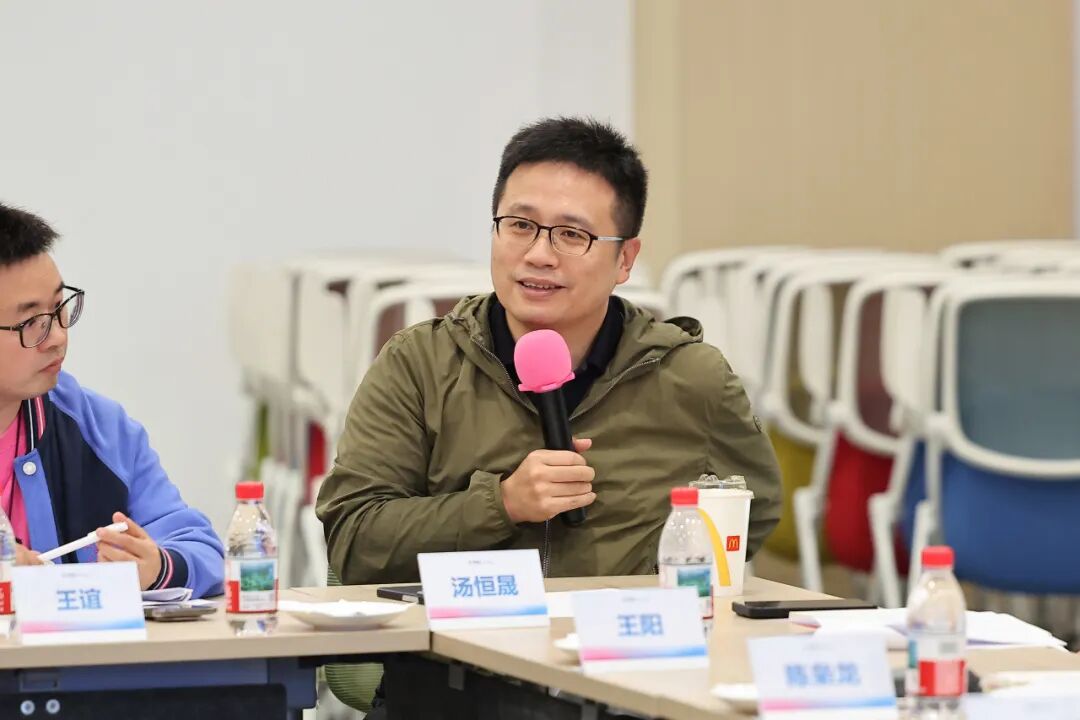
Group Senior Advisor Tang Hengsheng pointed out that the results of an initiative are generally evaluated from four perspectives: customer outcomes, financial outcomes, organizational growth, and strategic breakthroughs. Social media operations require a clear strategy: target big fish in small ponds, prioritize quality over quantity, and present one’s authentic self. Teams should identify what makes them unique, as the ideal position in business is to move from being number one to being the only one. For any innovative business initiative, the total resources invested should first be controlled. Resources should be used to build on existing strengths rather than rescue struggling operations. Teams should build on successive successes, identify the right approach, and then scale it further.
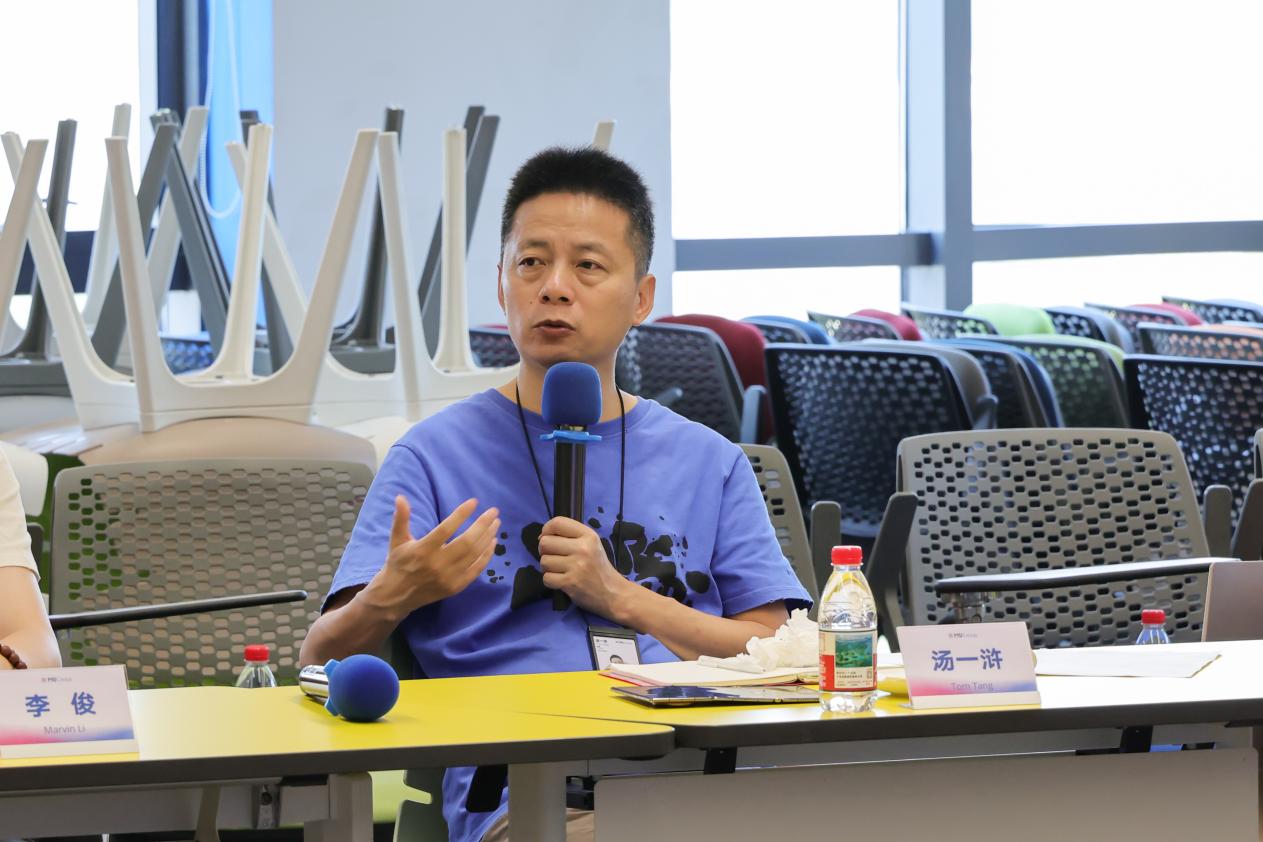
Group President Tom Tang shared that being seen comes first, followed by content. He compared this to identical twins, one of whom becomes a celebrity while the other remains an ordinary person. The celebrity first gains visibility, and only after being seen does the opportunity arise for people to discover their content. No matter how much content is produced, if nobody sees it, it will only be viewed by its creator. Understanding this principle is essential. In an era of abundant goods and information, what is needed is the ability to create new value rather than continue creating old value.
Social media operations must have clear objectives, centered on two core priorities. The first is achieving results, meaning securing orders and using orders as the measure of success. The second is increasing visibility and brand awareness. Ultimately, performance should be evaluated based on actual transactions and communication effectiveness, rather than conducting social media activities for their own sake.
In carrying out any work, teams should consider what value they can provide to others or what others need, and create value around customer demands. Differentiation should be based on capabilities. Teams must first strengthen their own capabilities before leveraging platforms and resources to expand their advantages. At the same time, they should identify the positioning that best suits them and strive to become the best in one specific area.
A selection of the “Top 10 Social Media Influencers” could be organized at the end of the year. The entire organization of MU, both internally and externally, should be mobilized to participate.