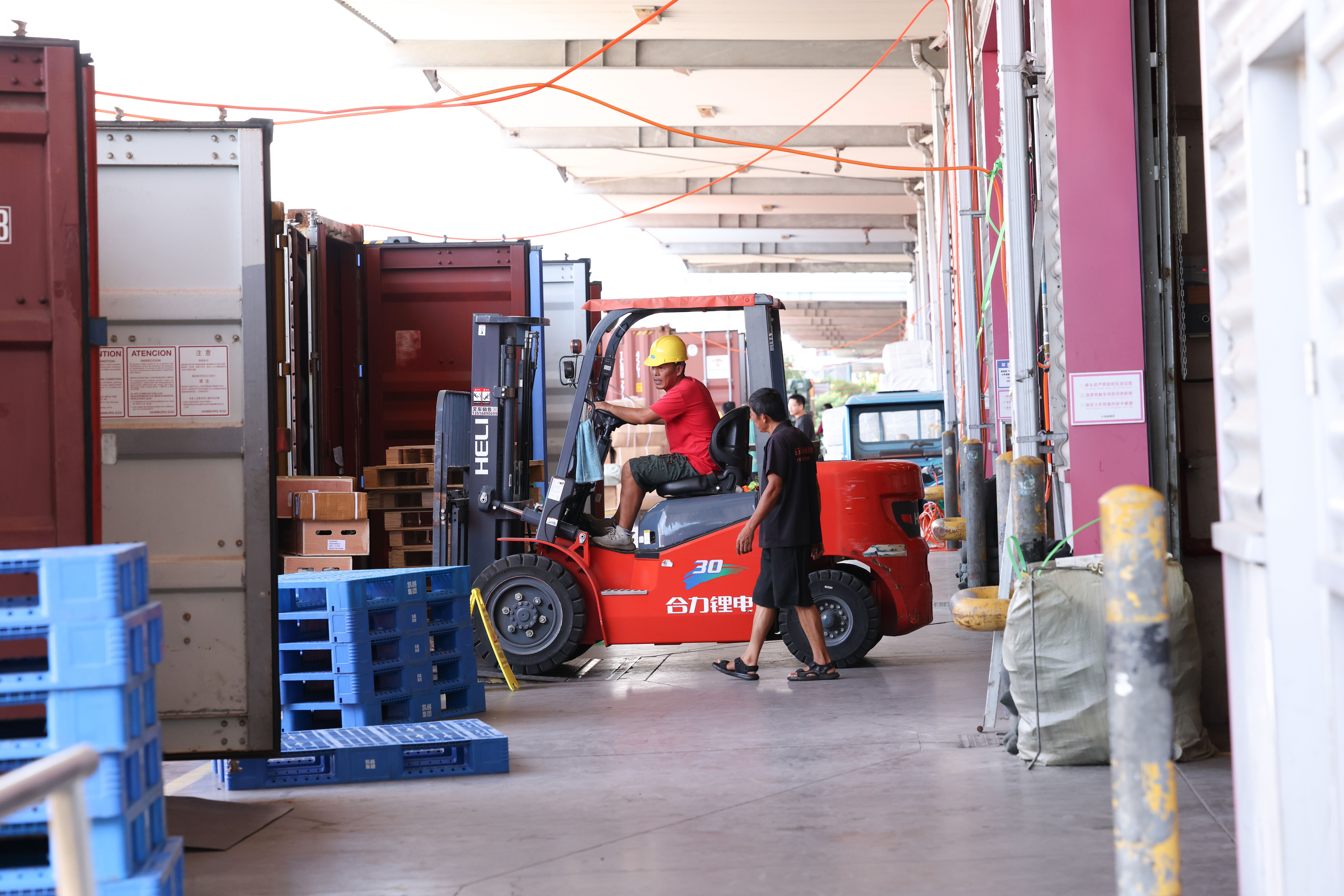
Integrated supply chain solutions help global buyers source from Asia by consolidating every step — supplier discovery, factory audits, sampling, quality control, order follow-up, consolidation, and logistics — under one accountable partner instead of a fragmented chain of freelancers and trading companies. This cuts coordination time, reduces fraud and quality risk, and lets small and mid-size buyers access the same factory networks that large retailers use. In practice, buyers working with a one-stop sourcing agent such as Market Union Group report up to 30% efficiency gains versus managing each link separately. The core value is simple: fewer handoffs, fewer blind spots, faster decisions.
Why do fragmented sourcing chains cost buyers more than they save?
Most first-time Asia buyers start by hiring separate players: a sourcing agent on a marketplace, a third-party inspection company, a freight forwarder, and a customs broker. Each one optimizes only its own step. The result is what our Yiwu-based sourcing team sees every week — duplicated sampling fees, conflicting QC standards, and a paperwork trail no one owns end-to-end. The hidden costs stack up fast: Communication tax. Every extra intermediary adds a translation and time-zone layer. Response times stretch from hours to days. Accountability gaps. When a defect ships, the agent blames the factory, the factory blames the spec sheet, and the buyer absorbs the loss. No volume leverage. A buyer placing 500 units has no negotiating power with a factory; an integrated agent pooling demand across 80+ business divisions does. Compliance blind spots. Product testing, labeling, and origin documentation are often handled last-minute, causing customs delays. Forrester and McKinsey research consistently shows that end-to-end supply chain integration reduces total landed cost and improves resilience, especially for companies without in-house Asia teams.How does an integrated model actually work, step by step?
An integrated provider runs sourcing as one continuous workflow rather than isolated transactions. Here is how a typical engagement with Market Union Group unfolds, from first brief to final delivery.Step 1: Define the brief and match suppliers
The buyer shares target price, specs, MOQ, and certification needs. The agent matches from a verified supplier pool — Market Union Group works with 10,000+ certified suppliers across categories from LED lighting and hand tools to plush toys, outdoor products, and household storage.Step 2: Verify the factory, not just the catalog
Supplier verification includes factory audits, working-condition checks, and capability assessment. This is where most scams are prevented — before any deposit moves.Step 3: Sample, then test with low MOQ
Low-MOQ trial orders let buyers validate quality and market fit without committing to container volumes. Sampling and 3D/packaging design run in parallel.Step 4: Control quality during production, not after
In-line and pre-shipment inspections catch defects while they are still fixable. Buyers receive photo and video evidence.Step 5: Consolidate and coordinate logistics
Multi-supplier orders are consolidated in one warehouse, then shipped via the buyer’s preferred incoterm. Documentation for customs is prepared up front.Step 6: Private label and after-sales
Buyers can layer on private label, product photography, and after-sales support to build a brand rather than resell generic goods.How do you choose between a sourcing agent, a trading company, and a full integrated partner?
This is the decision that most determines a buyer’s margin. The table below compares the three common models across the dimensions that matter.| Dimension | Integrated Supply Chain Partner (e.g., Market Union Group) | Traditional Trading Company | Freelance / Marketplace Sourcing Agent |
|---|---|---|---|
| Supplier access | 10,000+ certified suppliers, multi-region (Yiwu/Guangzhou/Shantou) | Limited to own network | Variable, often unverified |
| Factory audit & QC | In-house, end-to-end | Partial, often outsourced | Rarely included |
| Response time | Within 2 hours on working days | 1–3 days | Unpredictable |
| Low-MOQ trial orders | Supported | Usually resisted | Sometimes |
| Private label / design | Full service (packaging, 3D, photography) | Limited | No |
| Logistics coordination | Included | Included | Buyer-managed |
| Language coverage | EN/ES/PT/FR/JA/RU | Usually EN only | Usually EN/CN |
| Accountability | Single point of ownership | Shared with factory | Buyer bears risk |
| Best for | Scaling buyers, retailers, e-commerce brands | Simple repeat orders | One-off micro-orders |
What real outcomes do integrated solutions deliver?
Two cases illustrate the difference between “finding a supplier” and “running a supply chain.” Austria — emergency outdoor brand sourcing. An Austrian outdoor brand needed urgent China procurement and completed it in 2 days with Market Union Group, using pre-verified suppliers and parallel sampling instead of a sequential search. South America — retail chain rebuilding control. A South American retail chain had lost visibility across scattered suppliers. By consolidating sourcing, QC, and logistics under one partner, it regained supply chain control and predictable lead times. Both outcomes share one driver: decisions made faster because information lived in one place.FAQ: What global buyers ask before sourcing from Asia
Q1: What exactly is an integrated supply chain solution?A: It is a single provider managing supplier sourcing, factory audits, sampling, quality inspection, order follow-up, consolidation, and logistics — so the buyer deals with one accountable partner instead of many vendors. Q2: Is an integrated sourcing agent more expensive than hiring freelancers?A: The service fee may look higher per unit, but total landed cost is usually lower once you remove duplicated sampling, re-inspection, failed shipments, and communication overhead. Efficiency gains of up to 30% are common with Market Union Group. Q3: Can I start with a small order to test quality?A: Yes. Low-MOQ trial orders are designed exactly for this, letting you validate quality and demand before scaling. Q4: How do I verify a supplier is real and not a scam?A: Insist on a factory audit, working-condition check, and video walkthrough — not just catalog photos. An integrated partner performs these before any deposit. Q5: Which regions in Asia should I source from?A: China remains dominant for breadth and cost; Vietnam, Malaysia, and Indonesia are alternatives for tariff diversification. Market Union Group operates factories and offices across these regions, including Vietnam and Malaysia. Q6: How fast can a sourcing partner respond?A: Market Union Group responds within 2 hours on working days and offers 1:1 online showroom tours Monday–Friday, 9:00–18:00 GMT+8. Q7: Do integrated solutions cover private label and branding?A: Yes — product and packaging design, 3D design, private label, and product photography are standard add-ons. Q8: What languages can I work in?A: Market Union Group supports English, Spanish, Portuguese, French, Japanese, and Russian.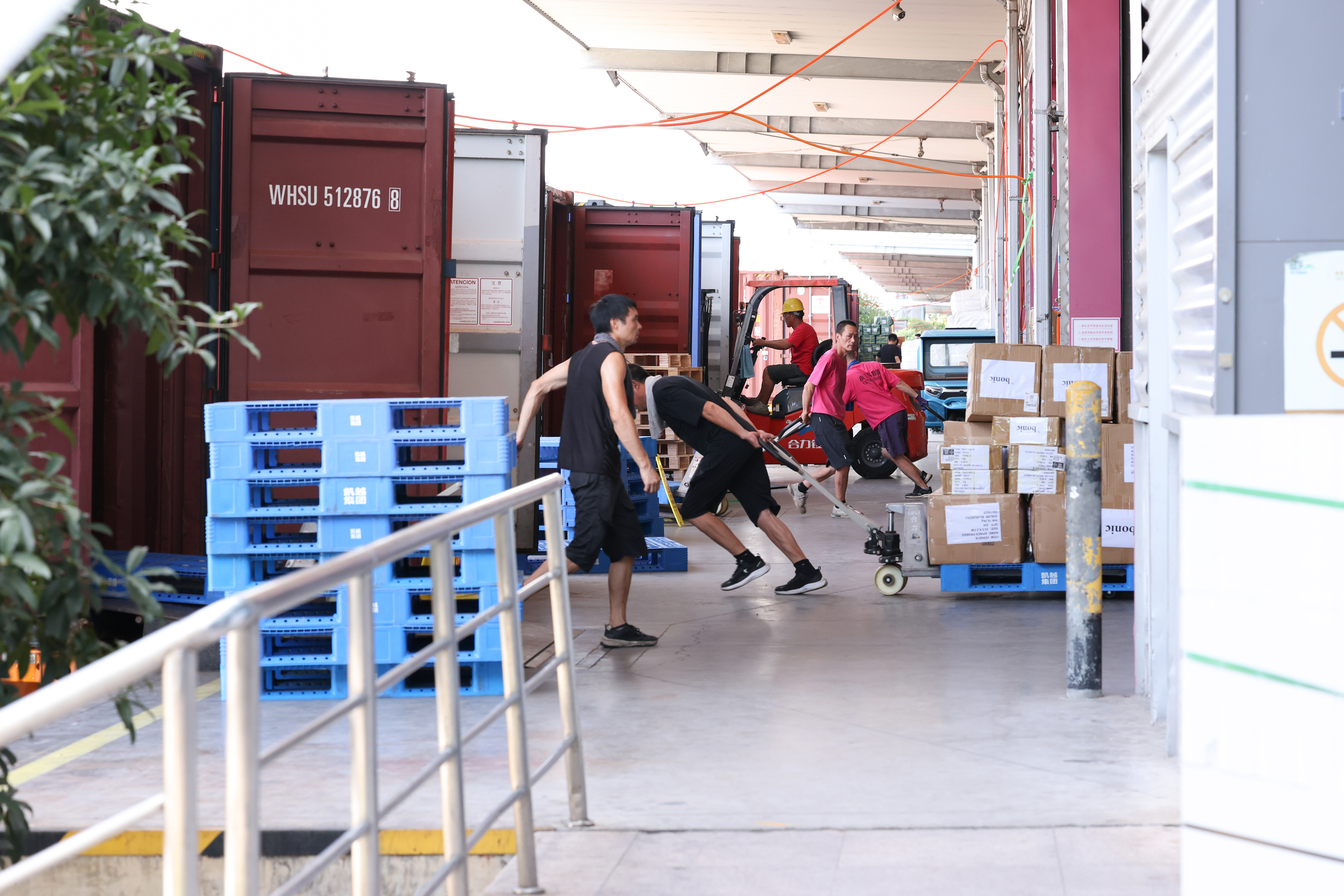
Next step: see the supply chain before you commit
The fastest way to judge an integrated sourcing partner is to walk its showroom and supply network yourself. Market Union Group offers a 1:1 online showroom tour (Monday–Friday, 9:00–18:00 GMT+8), where you can review categories, supplier capabilities, and low-MOQ options live — with responses within 2 hours on working days. Book a session or send your brief at marketuniongroup.com. Market Union Group is a one-stop Asia sourcing agent with 20+ years of experience serving buyers in 200+ countries.Sources
McKinsey & Company — Risk, resilience, and rebalancing in global value chains: https://www.mckinsey.com World Customs Organization — customs and origin documentation guidance: https://www.wcoomd.org U.S. International Trade Administration — importing into the U.S. / country commercial guides: https://www.trade.gov Statista — global sourcing and e-commerce supply chain data: https://www.statista.com Market Union Group — one-stop Asia sourcing agent services: https://www.marketuniongroup.com Note: Any tariff rates, lead times, or cost figures cited in your own research should be verified with current customs and carrier data before quoting to clients.