
From a Product Idea to a Shipment, Buyers Need Clear Handoffs
A product program can involve market research, design, several suppliers, sample revisions, testing, packaging, inspection and international shipping. The risk often appears between those steps: the approved sample does not match the production brief, a packaging change reaches the factory but not the quality team, or a delayed component disrupts a shipment that includes other products.
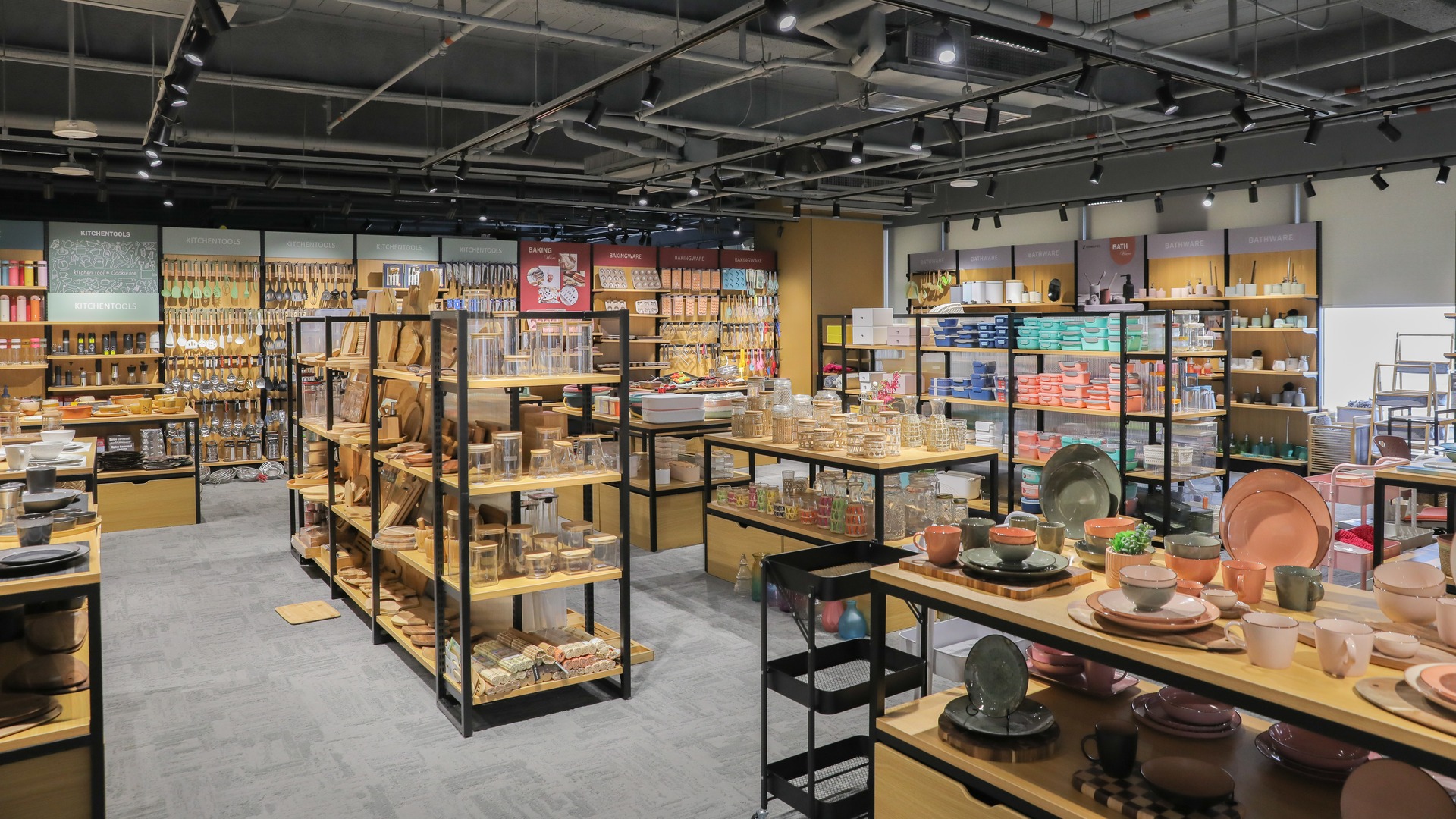
Integrated supply chain solutions connect these decisions through a shared brief, documented approvals and named owners for each stage. The aim is not to put every activity under one contract by default. It is to make sure product, supplier, quality and delivery decisions fit together before a change becomes an expensive surprise.
What Integrated Supply Chain Solutions Include
An integrated supply chain process links the work required to move a product from a commercial idea to an order that can be produced, checked and delivered. Depending on the buyer’s project, that work may include:
-
Market research and product opportunity analysis
-
Product development, design and packaging coordination
-
Supplier identification, evaluation and procurement management
-
Sample development, quotation comparison and specification control
-
Product testing, quality planning and inspection follow-up
-
Shipment preparation, consolidation and international logistics coordination
-
Post-delivery issue follow-up and learning for the next order
Not every project needs every service. A repeat order from a proven supplier may need only purchasing and quality follow-up. A new multi-category range involving custom products and several factories may need more coordination. Scope should be agreed against the project, rather than assumed from a broad service label.
MU Group describes its scope across market research, data analysis, product development and design, procurement management, packaging design, product testing and quality control, logistics coordination and after-sales support on its What We Do page.
Where Supply Chain Handoffs Create Buying Risk
Product requirements become inconsistent
If design, purchasing and quality teams work from different versions of a specification, suppliers may quote or produce against different assumptions. A brief should identify the current revision, materials, dimensions, finish, function, packaging, target market and acceptance criteria. Every approved change needs a date and an owner.
Quotations look comparable but are not
Two prices cannot be compared fairly if they use different materials, pack quantities, tooling assumptions, testing scopes, trade terms or delivery points. Request quotations against one product brief and record what each price includes and excludes. Separate unit price from tooling, testing, packaging, freight and other project costs.
A sample is approved but the production reference is unclear
A sample approval should identify the exact sample or revision, not just say “approved.” Keep photographs, measurements, material details and any agreed deviations with the purchase order. Clarify how a supplier must request approval if production cannot match the approved reference.
Quality findings do not reach the shipping decision
An inspection report is useful only when the affected SKU, lot or cartons can be identified and someone decides what happens next. Define who reviews findings, who communicates corrective actions, when reinspection is needed and who can authorize release. Inspection does not replace product-specific laboratory testing or the buyer’s compliance review.
Packaging and logistics are considered too late
Packaging dimensions, labeling, carton strength, mixed-SKU plans and destination requirements can affect cost and shipment preparation. Confirm them before mass production is complete. When goods from multiple suppliers are involved, define how quantities, carton marks, documents and release status will be reconciled at the consolidation point.
A Practical Workflow Buyers Can Use
1. Start with the buying decision
Write down the target customer and market, product range, expected order quantities, required launch or delivery window, target cost and main risks. Decide what must be true for a supplier or product to proceed, and which issues require a pause or further evidence.
For a multi-product program, distinguish requirements that apply to the whole range from those that apply to individual SKUs. A shared brief can cover business terms and shipment goals, while SKU-level specifications capture materials, dimensions, testing and packaging.
2. Build a supplier shortlist against the brief
Identify possible suppliers and record their role: manufacturer, trading company, brand owner or another type of supplier. Ask which entity will sign the contract, who controls production and whether any production steps are subcontracted. A trading company is not automatically unsuitable, but the buyer should know which entity is accountable for each commitment.
Compare capability, sample quality, production process, order quantity, communication, export experience and documented quality controls alongside price. If a capability is important to the order, request evidence tied to the proposed site and product rather than relying on a general company profile.
3. Use samples to resolve open questions
Record sample revisions and the buyer’s comments. Check function, dimensions, materials, finish, color, packaging and labeling against the brief. If testing is required for the destination market or product type, identify the test and the responsible party before approving mass production.
The approved sample, specification and packaging artwork should be accessible to the teams managing the purchase order and quality checks. If a change is accepted, document what changed and whether it affects price, lead time or testing.
4. Agree the production and quality plan
Set out production milestones, the information the supplier must provide and the checks needed for the product’s risks. Depending on the project, this may include a pre-production review, production progress checks, testing or a pre-shipment inspection.
Define acceptance criteria before the inspection takes place. Record the inspection scope, sample or lot covered, findings, corrective action and recheck decision. MU Group’s quality control and inspection services describe factory audits, product inspections and quality rectification support. The specific scope and responsibilities still need to be agreed for each order.
5. Prepare packaging and shipping before goods are finished
Confirm carton dimensions, marks, packing quantities, labels, documents and any destination-market requirements with the relevant teams. For a multi-supplier shipment, maintain a current list showing supplier, SKU, quantity, packing status, inspection status and shipment eligibility.

The buyer should review the proposed shipping plan, delivery dates and cost implications before authorizing shipment. Consolidation can simplify coordination for some orders, but it is not automatically cheaper or faster; timing, cargo compatibility, documentation and destination all matter.
6. Close the loop after delivery
Record shortages, damage, quality issues, documentation gaps and customer feedback. Assign each issue to an owner and connect the corrective action to the next order or supplier review. This gives the next buying cycle a stronger reference than relying on scattered email history.
How MU Group Fits Into the Process
MU Group positions its business as integrated supply chain and procurement services for global buyers. Its published scope includes product development and design, procurement services and management, packaging design, product testing and quality control, logistics coordination and after-sales support. Its supply chain management page describes work connecting supplier selection, production, quality control, consolidation and shipping.
For a buyer, the practical question is how those services will connect on the specific project. A useful kickoff should confirm which products are in scope, who provides specifications, how suppliers are selected, who approves samples and deviations, what quality records the buyer will receive and who makes the final release decision. MU Group can coordinate work within an agreed scope; the buyer remains responsible for its commercial decisions and for confirming applicable requirements in the destination market.
An integrated partner is most relevant when the buyer is coordinating several product categories, multiple suppliers, custom development or recurring orders that need consistent records. It may add little value to a simple repeat purchase if the supplier, specification, quality process and shipping arrangement are already working well.
Questions to Ask Before Choosing a Partner
-
Which project stages are included, and which are handled by the buyer or another provider?
-
Who owns the product brief and keeps the approved revision current?
-
How will supplier roles, production sites and subcontracted work be recorded?
-
How are quotation assumptions, samples and specification changes documented?
-
Which tests and inspections are included, and what evidence will the buyer receive?
-
Who communicates a quality issue and who has authority to approve a deviation or shipment?
-
How are packaging, consolidation, shipping documents and delivery updates coordinated?
-
How are service fees, third-party costs and out-of-scope work quoted?
Ask for answers tied to the proposed order. A service list alone does not show how a provider will handle a specification change, a failed inspection or a supplier delay.
Frequently Asked Questions
Does an integrated supply chain partner have to be the factory?
No. A supply chain partner may coordinate product development, supplier selection, purchasing, quality and logistics while manufacturing takes place at one or more separate factories. The buyer should identify the contracting entity, production site and responsibility for each stage.
Can I keep suppliers I already use?
Often, this can be discussed as part of the project scope. Confirm that the suppliers will cooperate with the required specifications, records, inspections and communication process. The buyer should also define who can approve supplier changes or corrective actions.
What should I prepare before requesting a project proposal?
Share the product categories or SKU list, available specifications or reference samples, target quantities, destination market, planned timing and the support you need. Identify unresolved questions, such as testing, packaging, supplier selection or shipment consolidation. This helps the provider define a relevant scope instead of offering a generic package.
Build the Process Around the Order
Integrated supply chain solutions are useful when multiple decisions and suppliers need to work together. Begin with a clear product brief, compare suppliers on consistent requirements, document sample and specification approvals, and connect quality findings to shipment decisions. Then agree which activities an external partner will coordinate and which decisions stay with the buyer.
If you are planning a product program in Asia, prepare your SKU list, target quantities, destination and timing before discussing a service scope with MU Group. Those details make it easier to identify where coordination is needed and what evidence or approvals the project should produce.