
The Lowest Quote Is Not a Comparable Quote
A supplier’s unit price can look like the easy answer. Then the buyer notices that one quote covers a different quantity, packaging level, sample version or delivery scope. The numbers were never comparable. Before choosing a supplier, use this scorecard to compare the same order requirements and the evidence behind each offer. Browse our B2B China supplier guides for related sourcing topics.
This guide is for buyers comparing product suppliers for a specific order. It is not a guide to choosing a sourcing agency or planning a Canton Fair visit. Start with one written brief, send it to every candidate, and keep each answer beside the same seven checks.
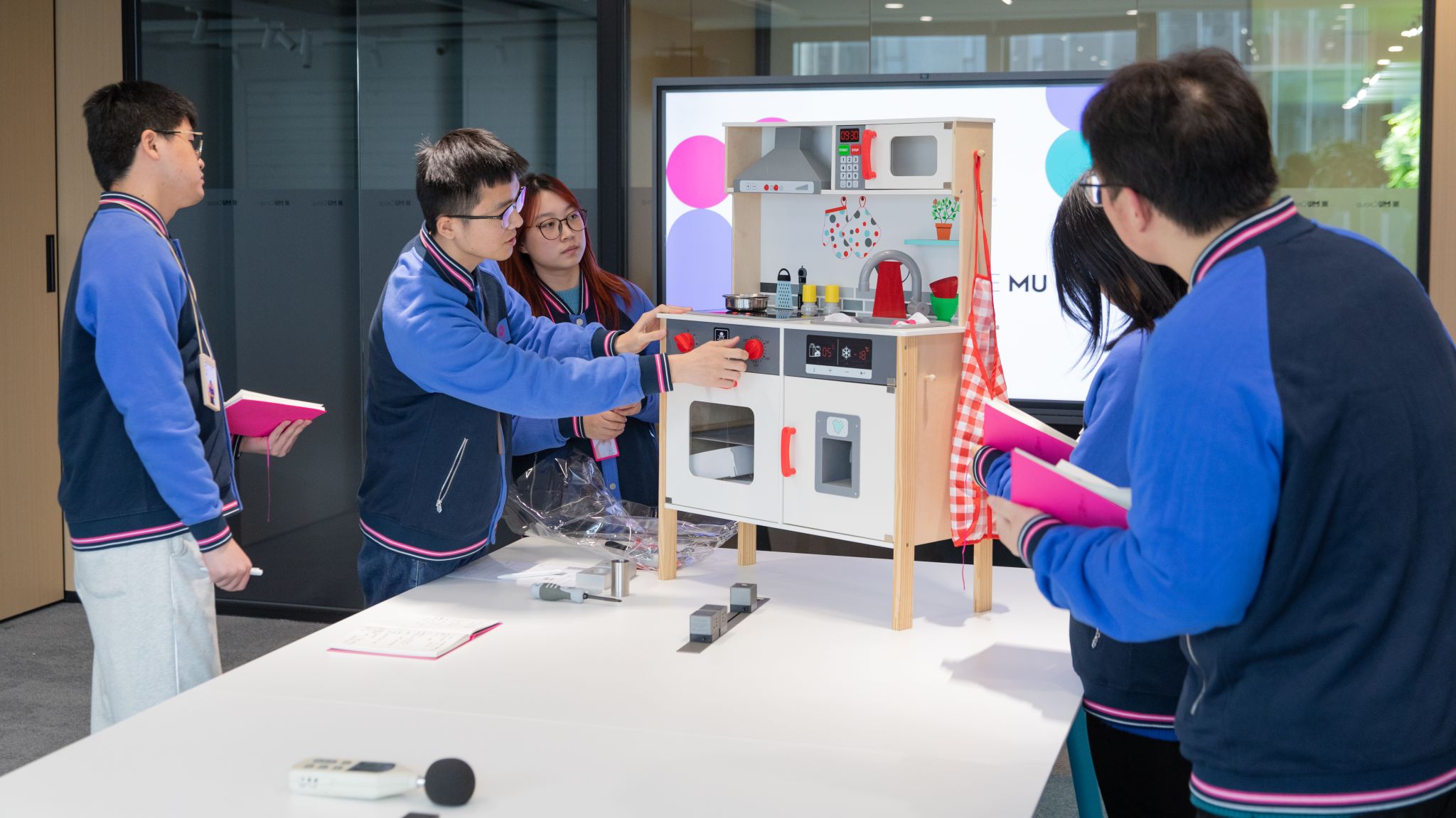
Product teams can use sample reviews to clarify requirements before approving an order.
The 7-Point Supplier Evaluation Scorecard
For each item, record the evidence and mark 1, 3 or 5. Use 1 when the answer is missing or generic, 3 when some relevant evidence exists but gaps remain, and 5 when current evidence is specific to the product, site and order. Leave a note beside every score; the number alone is not a decision.
1. Same specification
Record: SKU or model, materials, dimensions, function, finish, packaging, labeling, order quantity and destination market.
Check: Did every supplier quote the same specification? Write down each exception, proposed substitution and its effect on price, testing, tooling or timing. Do not score a partial match as equivalent to an exact match.
Score: 1 = major fields missing; 3 = some differences need resolution; 5 = the quoted product matches the approved brief or clearly lists agreed deviations.
2. Comparable quote scope
Record: unit basis, quantity, currency, payment terms, packaging, tooling, sample, testing, delivery point and exclusions.
Check: Put each quote on the same basis before comparing totals. If one supplier includes retail packaging and another excludes it, ask for a revised line or a clear add-on. Mark unknown freight, duties or destination costs as unknown; do not turn estimates into supplier commitments.
Score: 1 = scope is unclear; 3 = key costs or assumptions remain open; 5 = inclusions, exclusions and commercial assumptions are documented for the same order.
3. Sample and quality evidence
Record: sample ID and revision, approval date, comparison notes, test or inspection scope, responsible party.
Check: Compare the physical sample with the written brief. Note materials, measurements, function, appearance and packaging. A supplier’s general quality statement or company certificate does not, by itself, prove that this model meets the agreed specification or a destination-market requirement. MU Group’s quality control and inspection services describe support buyers may discuss for a defined project scope.
Score: 1 = no order-specific sample or records; 3 = sample reviewed but important checks remain; 5 = the reference sample and acceptance criteria are recorded and relevant checks have an owner.
4. Accountable supplier and production site
Record: contracting entity, supplier role, production address, in-house processes, subcontracted steps, order owner.
Check: Confirm who signs the contract, who makes the product and who is accountable for quality and delivery. A trading company is not automatically unsuitable; a “manufacturer” label is not proof of production capability. If a site or subcontractor affects risk, verify the relevant location and process.
Score: 1 = entity or site is unclear; 3 = some details are confirmed but responsibility or outsourcing is unresolved; 5 = the contracting party, proposed site and responsibilities are documented.
5. Capacity and realistic timing
Record: order quantity, production milestones, component constraints, sample approval date, packing window, promised ready date and assumptions.
Check: Ask the supplier to explain how the schedule works for this quantity. Identify bottlenecks and outsourced steps. A lead-time figure without assumptions or milestones is a claim to clarify, not a delivery plan.
Score: 1 = unsupported date; 3 = a schedule exists but dependencies are open; 5 = milestones and constraints are documented with a process for reporting changes.
6. Product, destination and continuity risks
Record: product-specific documents or tests to confirm, material or component risks, open compliance questions, corrective-action plan.
Check: List the requirements that apply to the exact product and destination. Have applicable regulations confirmed by relevant authorities or qualified local professionals. Also record single-source parts, unapproved substitutions, failed-inspection handling and unresolved quality issues.
Score: 1 = material risks have no owner; 3 = risks are listed but evidence or actions are pending; 5 = each critical risk has an owner, evidence requirement and closure point.
7. Communication and change control
Record: named contact, update cadence, written revision process, deviation approver, escalation route, after-sales owner.
Check: Ask how the supplier will report a shortage, defect, delay or packaging change. Confirm that no change to the approved specification proceeds without the agreed approval. Keep responses and revisions with the order record.
Score: 1 = verbal promises and unclear ownership; 3 = a contact exists but change handling is vague; 5 = responsibilities and written change steps are agreed.
Apply Pass-or-Hold Gates Before Adding Scores
A strong average can hide a critical failure. Mark a requirement Pass, Hold or Fail before calculating any weighted score. Common gates include a mismatch in a safety-critical specification, an unverified production site when site identity is essential, or a required market document that has no credible verification path.
-
Fail: Do not award the order while the gate remains failed. Ask for evidence, change the scope or remove the candidate.
-
Hold: Keep the supplier under review and name the evidence, owner and deadline needed to clear the issue.
-
Pass: The evidence meets the requirement for this order; keep the supporting record.
Only compare weighted scores after the gates. Set weights before reviewing supplier responses and base them on the product’s risk and commercial priorities. There is no universal weighting that fits every product. Keep the assumptions visible so another buyer can understand why a candidate ranked higher.
What the Scorecard Can—and Cannot—Tell You
The scorecard makes missing information visible and keeps supplier claims tied to evidence. It cannot guarantee mass-production quality, delivery or regulatory compliance. Sample approval, testing, production checks and pre-shipment inspection answer different questions; choose them according to the product and order risk.
For closer oversight of delivery progress and product quality, a buyer may engage a procurement agency to coordinate the order with factories from sourcing through shipment. Working on the buyer’s behalf within an agreed scope, the agency can follow production milestones, surface delays or quality issues, coordinate checks and negotiate with factories around the buyer’s stated requirements and commercial priorities. This adds coordination and follow-up; it does not remove the need to define acceptance criteria, verify market requirements or make the final release decision.
AI or procurement software can help organize quotes and flag empty fields, but it cannot make a supplier’s claim true. Review underlying documents and confirm that they apply to the exact model, site and order.
How MU Group Fits into the Comparison
MU Group is a China-based integrated supply chain and procurement services company founded in 2003, with more than two decades of procurement experience. It can provide clients with a mature, dependable supply chain service network. Depending on the agreed project scope, its teams can connect supplier search and quotation comparison with product development, sample coordination, purchasing follow-up, quality control and logistics coordination. Buyers can review MU Group’s company background and service scope and discuss supply chain management services using a product list, quantities, destination and timing. The buyer retains the supplier award decision and responsibility for confirming market requirements.
Before requesting support, prepare the same brief you used for suppliers and bring the open questions from your scorecard. That makes it easier to discuss what needs verification and who should handle each next step.
Frequently Asked Questions
Should I choose the supplier with the highest score?
Only if the supplier also passes every non-negotiable gate. Review the evidence behind the score and resolve critical gaps before awarding the order.
Should price have the largest weight?
Not automatically. Set priorities based on the product and order risks. Compare quotes on the same scope, and keep critical quality, site or market requirements as pass-or-hold gates.
Does a supplier score replace an inspection?
No. A score summarizes the evidence available at the selection stage. Product-specific sample approval, testing or inspection may still be appropriate before or during production.
Make the Decision Traceable
The useful outcome is not a perfect-looking score. It is a clear record of what each supplier quoted, what evidence supports the offer, which risks remain open and what must happen before the order proceeds. If you cannot explain why the chosen supplier passed the gates and how its quote compares, the decision is not ready yet.